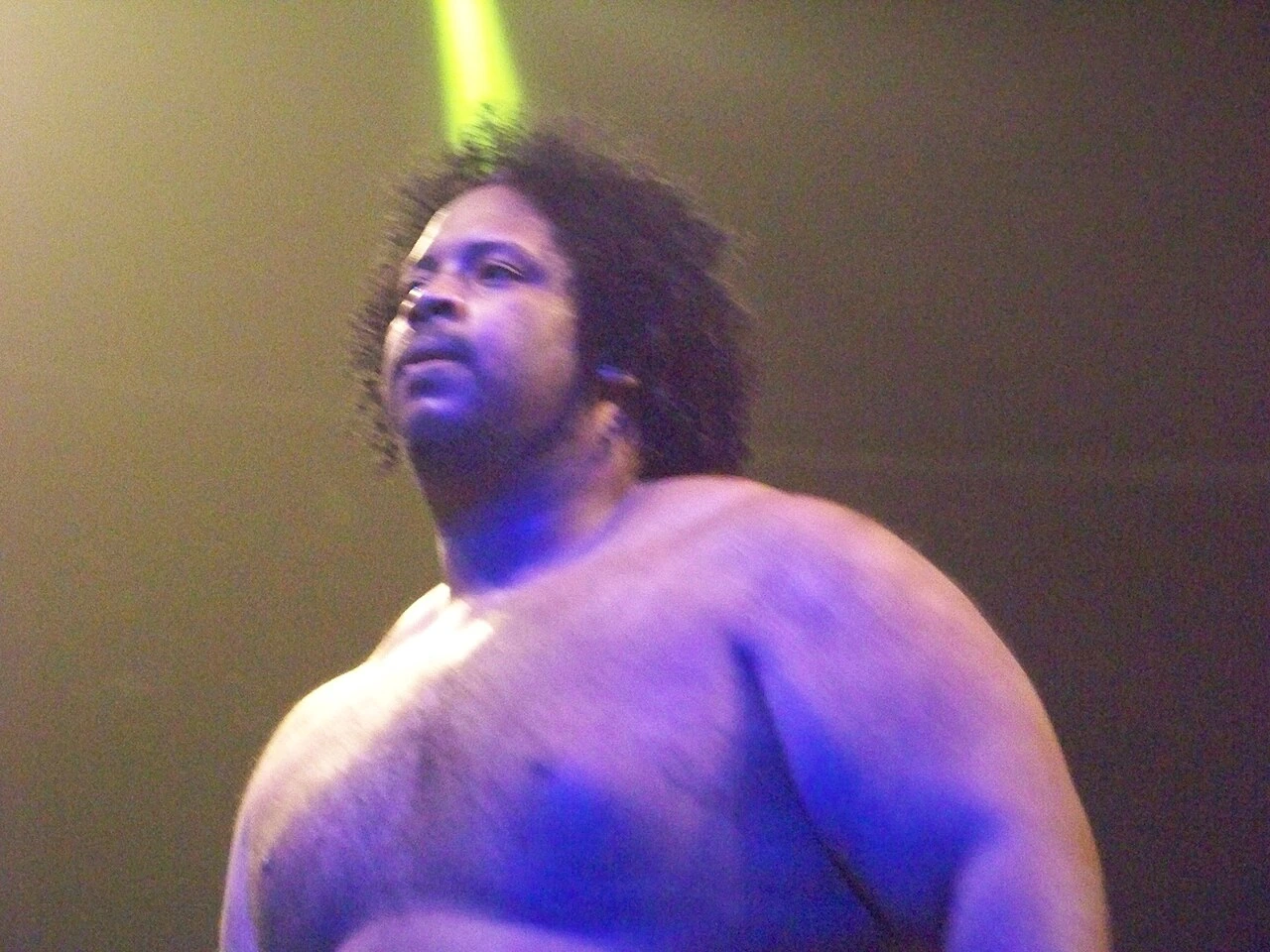
MusicBrainz reinforces this identification with a dedicated entry labeled "T-Bone (Christian rapper Rene Sotomayor)," explicitly connecting him to his Discogs profile to separate him from unrelated artists who share the same or a similar name. Apple Music's T-Bone artist page also lists his location as San Francisco, CA, matching the biographical record. If you've landed on a different T-Bone (a jazz musician or a completely different rapper), these three identifiers, San Francisco origin, Christian rap catalog, and the Sotomayor birth name, will quickly tell you you're in the wrong profile.
What "net worth" actually means (and why every site shows a different number)
Net worth is straightforward in theory: total assets minus total liabilities. Cash, real estate, investment accounts, royalty rights, vehicles, and ownership stakes in businesses all go on the asset side. Mortgages, loans, and any outstanding debts go on the liability side. The gap between those two columns is net worth. In practice, for artists like T-Bone, nobody is auditing their personal balance sheet and publishing it. Every figure you see on a celebrity net worth site (including this one) is an informed estimate based on publicly available signals.
Those signals include music sales data, streaming royalty approximations, touring history, public real estate filings, and any business ventures that show up in press coverage or corporate registrations. The problem is that different sites weight those signals differently, use different baseline years, and may not update their figures after a career shift. That's why you'll sometimes see numbers on one site that are double or half what another shows for the same person. It's not that one site is lying; they're just working from different assumptions and different data snapshots. Keeping that uncertainty in mind is important before anchoring too hard on any single figure.
How T-Bone likely earns money as a rapper

T-Bone's income streams follow the standard playbook for an independent Christian hip-hop artist who has been active for over three decades. Understanding those streams helps you evaluate whether a net worth estimate is realistic or inflated.
- Music sales and streaming royalties: T-Bone has released multiple studio albums since the early 1990s. Catalog depth matters here because older albums continue generating modest streaming revenue on platforms like Apple Music and Spotify, even when a new release isn't driving headlines.
- Publishing and songwriting income: Shazam's credits for "Our History" list composer and lyric credit to Rene Sotomayor, which confirms he controls at least some publishing rights. PRO (Performing Rights Organization) royalties from radio, sync placements, and performance licenses can add up quietly over a long career.
- Touring and live performances: Christian music festivals, church events, and speaking engagements form a reliable live circuit for artists in this lane. These shows often pay flat fees rather than percentage deals, which keeps income more predictable.
- Merchandise: Artists running their own websites, which T-Bone does through houseoftbone.com, typically sell branded merchandise directly to fans, keeping margins higher than through third-party retailers.
- Features and collaborations: A long-tenured artist builds a network. Guest verses and production credits on other artists' projects generate both fees and additional royalty streams.
- Brand deals and endorsements: Less common at T-Bone's level than for mainstream chart artists, but faith-based brands and Christian media companies sometimes partner with established names in the Christian rap space.
For context, artists operating primarily in the Christian hip-hop niche tend to build wealth more steadily and less spectacularly than mainstream rap stars. The ceiling on streaming numbers is lower, ticket prices at church events are modest, and major-label advances are rarely part of the picture. That's not a knock; it means the wealth accumulation is more likely driven by consistent output and smart ownership of masters and publishing rights rather than one breakout moment.
The net worth estimate: what the numbers look like and what drives them
Based on available data as of April 2026, T-Bone's net worth is most reasonably estimated in the range of $1 million to $3 million. This range accounts for his three-plus decades of catalog, publishing ownership, and a sustained live performance circuit, while acknowledging the niche market size of Christian hip-hop relative to mainstream rap. The lower end of the range is conservative, reflecting the limited scale of the Christian rap economy and no confirmed major outside business ventures. The upper end assumes healthy catalog royalty accumulation, direct-to-fan revenue from houseoftbone.com, and the compounding value of publishing rights he controls.
Career milestones that most likely anchor this estimate include his early 1990s albums that established him as a pioneer in West Coast Christian rap, his steady stream of releases through the 2000s and 2010s, and his longevity in a genre where many artists burn out or pivot. If he retained ownership of his masters and publishing, those assets alone could represent a meaningful portion of his net worth even without a viral moment or platinum plaque. Timing matters too: a net worth estimate from 2015 would look different from one built in 2026, simply because streaming royalties have grown significantly as a revenue channel in that window.
How to find reliable sources and cross-check the number

Here's the workflow I'd use to verify any net worth figure for T-Bone or a comparable artist. Start with the artist's official channels (houseoftbone. On Shazam’s artist page for T-Bone, you can also verify that he appears as a rapper profile with a catalog listing that helps confirm identity. com, verified social media profiles) to get a current read on their activity level. An active touring and releasing artist has more recent cash flow than a dormant one, so activity is a proxy for current income.
- Check music metadata databases: MusicBrainz and Discogs give you a complete catalog picture. Count the releases, note whether they're on independent labels or major imprints, and look for any licensing deals that would trigger sync income.
- Look for PRO credits: Shazam's composer credits, ASCAP's database, and BMI's public search can confirm whether Sotomayor holds direct publishing credits. More credits mean more passive royalty income.
- Search public real estate records: County assessor websites in San Francisco and surrounding areas are public. A property owned outright is a significant asset that net worth estimators sometimes miss entirely.
- Cross-reference at least three net worth sites: If Celebrity Net Worth, Wealthy Gorilla, and a third credible aggregator all show figures within the same rough range, the estimate is probably in the right ballpark. Wild outliers (like a figure 10x higher than all others) are usually SEO-driven fabrications.
- Look for recent interviews or press coverage: An artist talking about a new business venture, a real estate purchase, or a label deal in an interview is free primary evidence that most aggregator sites don't incorporate quickly.
One practical note: for artists in niche genres, the major celebrity net worth aggregators often pull from the same original estimate and just recycle it for years without updating. If T-Bone releases a new album or lands a significant sync deal, it can take 12 to 24 months before that development shows up in aggregator figures. That's another reason to go closer to the primary source when precision matters.
Common misconceptions and red flags to watch out for
The most common mistake readers make is treating a celebrity net worth headline figure as if it were an audited balance sheet. It isn't. A figure like "$2 million" carries an implicit error bar of at least 30 to 50 percent in either direction for most independent artists. Debt is almost never factored into public estimates because it's private information. An artist could own a $500,000 home but also carry $400,000 in mortgage debt, making the real net equity much smaller than the headline suggests.
Watch for these specific red flags in net worth claims about T-Bone or any rapper in his tier. First, any figure above $10 million for an artist primarily operating in Christian hip-hop without a confirmed crossover hit, reality TV deal, or major outside business should make you skeptical. Second, sites that list an exact figure with no range ("T-Bone's net worth is exactly $1,500,000") are performing false precision; no one actually knows that. Third, figures that haven't been updated in three or more years are stale and probably wrong in either direction given how streaming economics have shifted.
It's also worth distinguishing T-Bone from other artists with similar names. If you're curious about a different figure, for example, Wish Bone's rap career and earnings tell a very different financial story rooted in the Bone Thugs-n-Harmony mainstream run. Similarly, Frankie Bones and his net worth trajectory in the electronic music world show how niche genre focus shapes the ceiling on wealth accumulation. These comparisons help calibrate what's realistic for an artist of T-Bone's profile versus someone with a different platform.
How T-Bone compares to similarly positioned artists
Putting T-Bone's estimated net worth in context with peers helps test whether the range is reasonable. The table below compares artists with broadly comparable profiles: long careers, niche genre focus, and primarily independent or semi-independent label structures.
| Artist | Genre / Niche | Est. Net Worth Range | Primary Wealth Driver |
|---|
| T-Bone (René Sotomayor) | Christian Hip-Hop / West Coast | $1M – $3M | Catalog royalties, publishing, live circuit |
| Comparable Christian Rap Pioneer (mid-tier) | Christian Hip-Hop | $500K – $2M | Touring, merchandise, streaming |
| Independent West Coast Rap Veteran | Indie Hip-Hop | $1M – $5M | Catalog, features, business ventures |
| Mainstream Rap Star (for scale) | Major-label Hip-Hop | $10M+ | Advances, brand deals, streaming at scale |
The comparison makes clear that T-Bone's estimated range is internally consistent with his career tier. He's not a mainstream rapper with platinum plaques and major label advances, but he's also not a one-album wonder. Three decades of sustained activity in a loyal niche audience creates durable, if modest, income streams. That's a reasonable basis for the $1M to $3M estimate.
Next steps if you want to track the number going forward
If you want to keep T-Bone's net worth picture current rather than relying on a single snapshot, a few habits will serve you well. Set a Google Alert for "T-Bone rapper" or "Rene Sotomayor" to catch any major press coverage, new releases, or business announcements as they happen. Check houseoftbone.com periodically for new projects, which signal active income. And revisit net worth aggregator pages once or twice a year rather than treating any single figure as permanently accurate.
For deeper context on how wealth accumulates differently across music genres and career types, it's genuinely useful to read profiles of artists in adjacent niches. For example, looking at the broader T Bone net worth profile can surface additional financial context that may not be fully captured in a single estimate. You can also compare against Bonehead's net worth to see how a rock musician's financial arc differs from a rapper's, or look at how a figure like Ken Bone's net worth illustrates how unexpected cultural moments can briefly spike a public figure's earning power before returning to baseline.
One more thing worth noting: music industry net worth profiles get more interesting, and more accurate, the more career context you layer in. If you're a researcher or a fan building a fuller picture, cross-referencing biographical timelines against income events (album releases, label signings, touring seasons) gives you a much sharper estimate than any single headline figure.
T-Bone's 1989 start date and consistent catalog through the present day is actually a meaningful data point: very few independent artists sustain a career across four decades, and the ones who do tend to have built durable revenue foundations that aggregator sites often undercount.
For another angle on how niche music careers translate to long-term financial profiles, Wishbone Ash's net worth story is a compelling parallel from the rock world, and Bilinda Butcher's net worth offers insight into how musicians in cult-status acts accumulate wealth differently from chart-toppers. Even Dan Boneh's net worth, while from a completely different field, is a useful reminder that long careers in specialized niches can produce substantial, if underreported, financial outcomes.