
When people search 'rich list Bally net worth,' they're almost always looking for Balbinder 'Bally' Singh, the British-Asian entrepreneur who founded the company originally called The Rich List (now rebranded as AIOKA). He's not a celebrity on the Sunday Times Rich List or a Forbes billionaire entry. He's the guy who built the 'Rich List' brand itself, which is a premium hospitality, events, and brand partnership business. His net worth is not publicly disclosed, but based on the scale of his business operations, industry positioning, and comparable entrepreneurs in the premium hospitality space, a credible working estimate puts Bally Singh's net worth somewhere in the range of $5 million to $20 million, with significant uncertainty on either side. Because Bally Singh's exact wealth is not publicly disclosed, any specific bally net worth estimate you find should be treated as a rough range similar to what this article models for bally net worth.
Rich List Bally Net Worth: Estimate, Sources, and Breakdown


Who Bally is (and why 'Rich List' means something specific here)

Balbinder Singh, known professionally as Bally Singh, is the founder and chairman of AIOKA, the company formerly known as The Rich List Group. He's a London and Middle East-based entrepreneur whose work spans premium hospitality, brand partnerships, experiential marketing, and talent management. His agency, Hoko, sits alongside AIOKA as part of his broader business portfolio. He's also been involved in high-profile events like the Classic Cup Polo in Abu Dhabi, and his brand work is heavily tied to the Formula 1 circuit, luxury lifestyle events, and premium consumer experiences.
The 'Rich List' connection in this search query is almost certainly his company name, not a reference to him appearing on a wealth ranking published by a newspaper or magazine. That's an important distinction. The Sunday Times Rich List, Forbes Billionaires, and similar publications track individual net worth. The Rich List Group (now AIOKA) is Bally's business brand. So when people search 'rich list Bally net worth,' they're picking up on the brand name and trying to figure out how wealthy the man behind it is. He appeared on the TV show 'Life On Marbs' in 2020, which raised his public profile significantly and drove searches for his personal finances. In 2024, he was featured on the Entrepreneur Middle East Power 100 list, cementing his reputation as a notable figure in the GCC entrepreneurial ecosystem. It's also worth noting that 'Bally' as a name can surface in other contexts on a wealth-focused site, including discussions around Bally Sports and other media entities, but the search pattern here points clearly to Singh.
The net worth estimate: what the number looks like and what it includes
No verified public figure for Bally Singh's net worth exists. He has not disclosed it in interviews, no recognized wealth publication has assigned him a number, and his companies are private, meaning there are no public filings that reveal business valuation directly. That said, we can build a reasonable range using what is publicly known.
| Estimate Tier | Range | Basis |
|---|---|---|
| Conservative floor | $2M – $5M | Small-to-mid boutique hospitality/events agency with regional reach |
| Working estimate | $5M – $20M | Multi-company portfolio (AIOKA + Hoko), regional brand prominence, F1 partnerships, Abu Dhabi event operations |
| Upside scenario | $20M+ | If AIOKA/Hoko hold significant equity stakes, retained IP, or undisclosed investment portfolios |
The working estimate of $5 million to $20 million is the most defensible range given current public information. The lower bound reflects a successful but regionally-focused events and brand agency. The upper bound accounts for the possibility that AIOKA holds more substantial contractual or equity value than is visible from the outside. Until Bally Singh or his companies publish financials, or a credible publication runs an independently verified estimate, treat any specific single figure you see online with scepticism.
How this estimate is calculated

Because no verified disclosed figure exists, the methodology here relies on a combination of public signals rather than hard data. Here's what goes into building the range:
- Business revenue proxies: Premium hospitality agencies operating in the UK and GCC with multiple brand clients and event production capabilities typically generate annual revenues between $2 million and $15 million. Owner equity in a private company of this type is often valued at 2 to 4 times EBITDA.
- Public profile and media coverage: Entrepreneur Middle East Power 100 inclusion and Gulf Business cover stories signal meaningful commercial standing, but these are editorial recognitions, not wealth certifications.
- Event scale: Polo events in Abu Dhabi, F1 hospitality partnerships, and multi-brand activations suggest operational budgets in the hundreds of thousands to low millions per event, which, when sustained over years, builds meaningful company value.
- Comparable entrepreneurs: British-Asian entrepreneurs with similar business models (boutique luxury hospitality and brand agency work, Dubai or GCC presence) tend to fall in the $5 million to $30 million personal wealth range when their companies are mature and owner-operated.
- Exclusions: No data exists to confirm real estate holdings, investment portfolios, stock positions, or liabilities, so those are excluded from the working estimate. The figure above is a business-value-based estimate only.
Where the money comes from: Bally's income streams
Bally Singh's wealth-building levers are pretty clear from his public profile, even if the exact numbers aren't. His career sits at the intersection of brand partnerships, premium events, and talent/media work.
AIOKA (formerly The Rich List Group)

AIOKA is the core business. It operates as a premium experiential marketing and brand partnership agency, working with luxury and lifestyle brands to create high-value consumer experiences. The rebrand from The Rich List to AIOKA signals a push toward broader international positioning. Agency revenue typically comes from retainer fees, project commissions, and event production margins. For a company with GCC operations and F1 circuit involvement, these can be substantial.
Hoko Agency
Hoko is Bally's talent and brand management agency. Talent management typically earns 10 to 20 percent commission on client earnings, which can add meaningfully to personal income if the talent roster includes high-earning individuals. Hoko also appears to include a 'Rich List Management' arm, suggesting continued use of the Rich List brand for talent-side services.
Events and hospitality production
The Classic Cup Polo in Abu Dhabi and similar high-profile events generate income through sponsorship sales, ticket and hospitality package revenues, and brand activation fees. Premium polo and F1 hospitality events in the UAE regularly command sponsorship packages in the $50,000 to $500,000+ range per partner. Bally's ability to attract these partners is the core commercial skill that underpins his business model.
Media and TV appearances
His appearance on 'Life On Marbs' and subsequent media coverage are more profile-building than direct income generators, but they compound the value of the overall brand, which feeds back into commercial deal flow.
Assets, spending, and things that can move the number

Net worth is not just income. For entrepreneurs like Bally Singh, several factors can push the real number significantly higher or lower than a business-value estimate suggests.
- Real estate: High-end entrepreneurs operating in London and Dubai commonly hold property in both markets. London and Dubai prime residential properties represent some of the most valuable personal assets available, and if Bally owns property in either city, it would add materially to his net worth. No public record of specific holdings is available.
- Lifestyle costs: The premium lifestyle brand image he projects (luxury events, Formula 1 hospitality, polo) implies significant personal and business spending. High lifestyle expenditure can reduce personal net worth even for high earners if not offset by equivalent asset accumulation.
- Business reinvestment: Entrepreneurs who reinvest heavily into growing their businesses often show lower liquid personal net worth than their business value would suggest. If Bally is in a growth phase with AIOKA, cash reserves may be lower than expected.
- Debt and liabilities: Private company growth is often debt-financed. Business loans, credit facilities, or operational liabilities would reduce net equity. No public data exists on this.
- Tax efficiency: UK and UAE tax structures differ significantly. Entrepreneurs with dual presence in the UAE often benefit from lower personal tax burdens, which can preserve more of gross earnings as net wealth.
How the wealth grew: a career timeline
Bally Singh's financial journey tracks closely with the growth of his companies and his expanding presence in the premium events market.
- Early career (pre-2010s): Bally built foundational experience in marketing, entertainment, and brand work in the UK. The groundwork for the Rich List brand and hospitality niche was laid during this period.
- Launch of The Rich List Group: The company was established as a premium hospitality and events brand in the UK, initially targeting the affluent British-Asian market and luxury consumer segment. This was the core wealth-building vehicle.
- Expansion into the GCC (mid-2010s): Operations extended into the UAE and broader Middle East, tapping into the rapidly growing premium events market in Dubai and Abu Dhabi. This regional expansion likely significantly increased revenue and business valuation.
- TV exposure via 'Life On Marbs' (2020): A profile-boosting moment that raised his public visibility and the brand's recognition well beyond core business circles.
- Abu Dhabi polo event launch: The Classic Cup Polo in Abu Dhabi represented a marquee event product and a strategic move into the high-value GCC experiential market.
- Rebrand to AIOKA and continued F1 involvement (2022-2024): The transition from 'The Rich List' to 'AIOKA' signalled a maturation of the brand and a push toward institutional and international clients, likely increasing deal sizes and company valuation.
- Entrepreneur Middle East Power 100 recognition (2024): Confirmation of regional business standing, reflecting accumulated business success and market presence by this point.
How to verify the number and what to watch out for
If you want to pressure-test any net worth figure you see attributed to Bally Singh, here's how to approach it practically. UKBizDB provides a UK company information summary for Aikoa Limited, which can help locate identifiers and office details that relate back to UK company records.
- Check for Companies House filings: In the UK, private limited companies file annual accounts with Companies House. Searching for any AIOKA or Rich List Group registered entity there can give you a floor on UK business revenue and assets, though filings for small private companies are often abbreviated.
- Look for UAE business registry entries: Public information on UAE-registered companies is more limited than UK filings, but trade media coverage and press releases can offer proxies for deal scale and client roster.
- Disregard unverified celebrity net worth aggregators: Many sites publish specific figures like '$10 million' or '$15 million' for Bally Singh without any sourced methodology. These are almost always extrapolations or guesses. Treat them as rough orientation, not fact.
- Watch for new media coverage and deal announcements: AIOKA's press page logs media appearances and coverage. New Gulf Business or Entrepreneur Middle East profiles often contain revenue hints or business scale signals worth tracking.
- Update cadence: Given the private nature of his businesses, meaningful updates to any net worth estimate are likely to come from major announced deals, company sale/acquisition news, or significant media investigations. Annual revisits are appropriate for this type of estimate.
One important caveat worth flagging: the 'Rich List' brand name creates genuine search confusion. If you meant Bollant net worth instead, check the relevant person or brand first because the names can be confused online. If you are specifically looking for boral net worth figures, it helps to compare those sources separately from Bally Singh, since the name and brand context are easy to mix up. People sometimes arrive at Bally Singh's name while actually looking for information about wealth rankings published under the 'Rich List' umbrella (such as various regional or cultural community rich lists in the UK). If you were looking for whether Bally Singh himself appears as an entry on a published wealth ranking, the answer is that no major recognized publication (Sunday Times, Forbes, etc.) currently lists him with a verified net worth figure. His prominence is as a business founder and entrepreneur, not as a subject of traditional wealth journalism. If you’re searching for uwe boll net worth, note that many similar “net worth” results online can be driven more by guesswork and confusion than by independently verified figures. Related searches around Bally Sports net worth or other 'Bally'-branded entities will take you in a completely different direction, as those involve media rights and broadcasting assets rather than the hospitality and events world Bally Singh operates in.
Bottom line: Bally Singh's net worth is best understood</a> as a private entrepreneur's wealth estimate in the $5 million to $20 million range, driven primarily by the value of AIOKA and Hoko as going concerns, with meaningful upside if undisclosed personal assets or investment portfolios exist. It's a genuinely interesting entrepreneurial story, but one where the numbers require honest transparency about what we do and don't know. If you are trying to validate what you see online for amer bally net worth, cross-check the estimate against the private range modeled for Bally Singh in this article. If you are also cross-checking brand-level figures for the phrase bollie brand net worth, it can be a helpful adjacent comparison to distinguish brand equity from an individual founder estimate. A separate but related query is <a data-article-id="6A3E5290-0208-438D-B380-C3E844533E98">UWE Boll net worth, which is often searched for as an entertainment-industry wealth comparison.
FAQ
Why do some websites give a single “rich list bally net worth” number that doesn’t match the $5 million to $20 million range?
Treat them as unverified unless they cite an independently sourced method (for example, named revenue multiples plus ownership shares). For private companies like AIOKA and Hoko, most single-number claims are either guesses or extrapolations with missing inputs, so you should stick to a range and look for consistency across multiple sites.
Could Bally Singh’s actual personal net worth be much lower than the business value of AIOKA?
Because a “net worth” number usually depends on equity ownership and asset structure, not just business success. If AIOKA and Hoko are owned by holding entities, partners, or partly by investors, Bally Singh’s personal share could be far lower than the implied value of the whole operation.
What common mistakes make “rich list bally net worth” estimates too high?
Yes. The event and brand partnership model can look lucrative, but margins vary by contract type (retainers versus production margins), seasonality, and how much work is subcontracted. If a net worth claim ignores operating costs, staff, and fulfillment expenses, the estimate can become overstated.
Does the rebrand from The Rich List to AIOKA automatically mean Bally’s net worth increased?
If someone says AIOKA’s rebrand from The Rich List to AIOKA automatically increased Bally Singh’s personal wealth, that may be mixing brand equity with personal equity. Rebranding can improve market positioning, but personal net worth only increases if the founder’s ownership stake benefits and cash flows translate into retained value.
How can I pressure-test a ‘rich list bally net worth’ figure I find online without inside financials?
Look for “valuation inputs,” not just statements. A quick sanity check is whether the figure assumes (1) plausible annual revenue for premium experiential work, (2) a reasonable profit margin, (3) a typical service-business valuation multiple, and (4) the founder’s ownership percentage. Missing any of those makes the number unreliable.
Why can investment and liquidity differences change the ‘rich list bally net worth’ outcome so much?
Net worth estimates can swing based on whether the person has liquid investments (stocks, funds, property) or mostly illiquid business interests. If reported numbers ignore personal asset mix, two people with similar business value can have very different net worth.
How do I make sure I’m not mixing up Bally Singh with another ‘Bally’ when searching net worth?
Because there are multiple “Bally” and “Rich List” references online. If your results mention unrelated Bally entities (for example, media or sports), you may be on the wrong target. Confirm you are looking at Balbinder “Bally” Singh and the AIOKA business context before comparing any net worth claim.
Do appearances like ‘Life On Marbs’ prove anything about Bally Singh’s personal wealth?
If you see a number reported right after a TV appearance or a media feature, treat it as profile-driven speculation rather than evidence. Media exposure can increase deal flow, but it does not provide audited financial data, so the timing alone is not a validation method.
What type of source is most trustworthy for a private entrepreneur’s ‘rich list bally net worth’?
If you want the most credible figure, focus on sources that publish their calculation method, mention ownership assumptions, and explain whether they are valuing the whole company or only the founder’s stake. If a site simply reports a number with no method, downgrade its usefulness.
When someone estimates Bally Singh’s net worth, what liabilities or off-balance-sheet items should be considered?
Yes. When comparing estimates, separate “company value” versus “individual net worth,” then check whether the estimate includes contingent items like retained earnings, unpaid invoices, or intellectual property tied to brand deals. Ignoring liabilities (loans, leases, taxes) can distort the personal net worth upward.
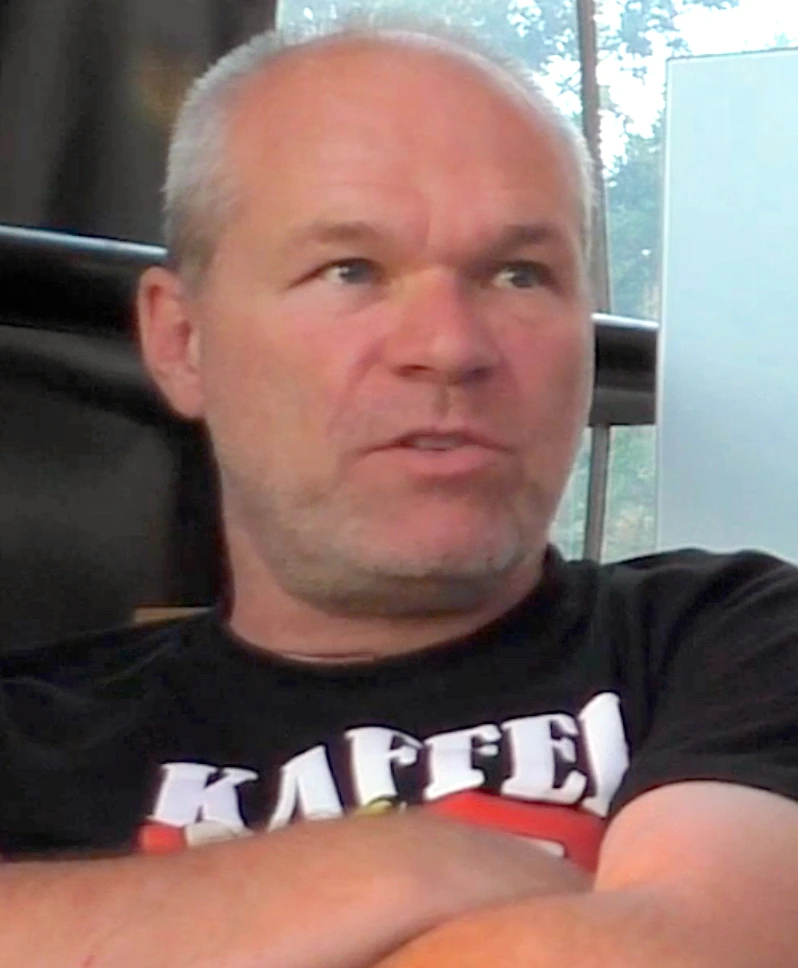
Uwe Boll net worth estimate explained with a defensible range, key income sources, why figures vary, and how to verify.

BNI net worth guide: identify the right BNI, verify identity, and estimate total wealth with sources and sanity checks

Unclear who Cross BBN is? Get the best net worth estimate, sources, verification steps, and how income drives the number