
Bad Bunny's net worth in 2026 is estimated at around $100 million, according to Celebrity Net Worth, and that number is supported by a career trajectory that has made him one of the highest-earning musicians on the planet. Forbes ranked him among the highest-paid musicians of 2025, attributing $66 million in music-related income to him for that year alone. So if you searched 'net worth de Bad Bunny' expecting a clear number, here it is: roughly $100 million in total estimated wealth, built on a foundation of record-breaking tours, streaming dominance, publishing deals, and brand partnerships. The rest of this article explains exactly what goes into that figure and how to judge whether it's credible.
Net worth de Bad Bunny: estimate, sources, breakdown

Marcus Holloway
19 Apr 2026
Who is Bad Bunny and why is his net worth always changing
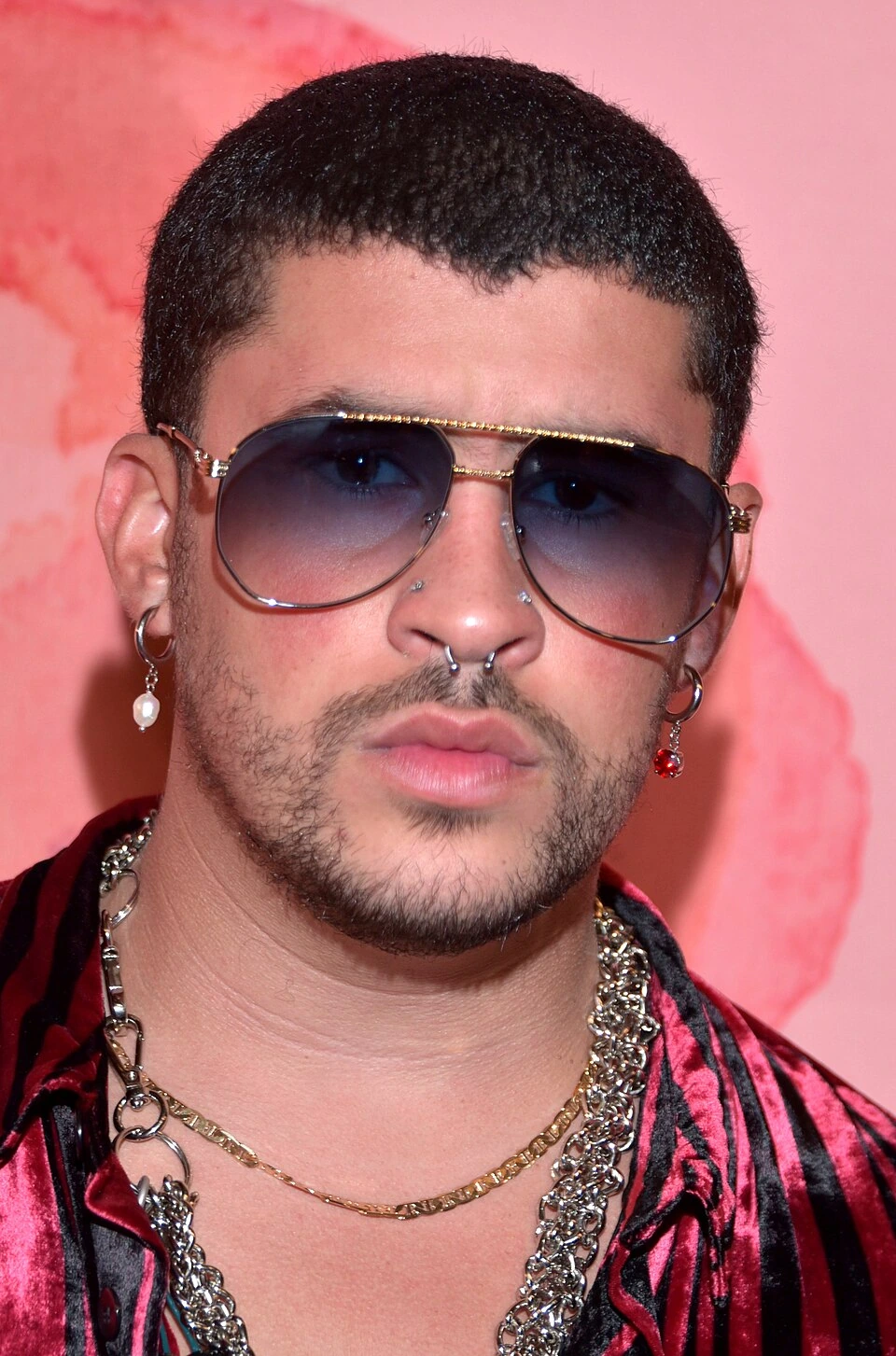
Bad Bunny is Benito Antonio Martínez Ocasio, a Puerto Rican singer, rapper, and cultural phenomenon born on March 10, 1994, in Vega Baja, Puerto Rico. He started uploading music to SoundCloud while working as a supermarket bagger, and his 2016 track 'Diles' caught the attention of DJ Luian, who signed him to Hear This Music with releases through Rimas Entertainment. That moment changed everything. By 2018, he released his debut album X 100pre on Christmas Eve through Rimas Entertainment, and by 2020 he was the most-streamed artist on Spotify globally. He held that title three years running.
The reason his net worth is always a moving target is simple: he is still actively earning at a very high rate. A single stadium tour can generate hundreds of millions in gross revenue. His publishing deal with Rimas Publishing, renewed in February 2026, extends his royalty streams. New brand partnerships emerge every few months. Real estate acquisitions shift his asset base. Any estimate you see today will be outdated within a year, sometimes within months. That's not a flaw in the data, it's just the nature of tracking the finances of someone who is still in the peak of their commercial career.
One quick disambiguation worth making: if you've seen other artists or entities using similar names, this article is specifically about the Puerto Rican reggaeton and Latin trap star Bad Bunny. There is no other public figure with comparable name recognition in music or entertainment whose net worth would produce these figures.
The current net worth estimate and what the range really means

The most widely cited 2026 figure is $100 million, reported by Celebrity Net Worth and picked up by outlets including the Times of India. Forbes's 2025 highest-paid musicians list placed his music-only income at $66 million for that year, which is a single-year earnings snapshot, not a cumulative net worth figure. These two numbers are measuring different things, and that distinction matters.
| Metric | Figure | Source Type | What it measures |
|---|---|---|---|
| Estimated net worth (2026) | $100 million | Celebrity Net Worth / reported estimates | Total accumulated wealth after debts and liabilities |
| Annual music income (2025) | $66 million | Forbes highest-paid musicians list | One year of music-related earnings only |
| Real estate assets (known) | ~$17.1 million | Public records / press reporting | Two confirmed LA property purchases |
| Debí Tirar Más Fotos Tour tickets sold (first week) | 2.6 million+ | Pollstar / Wikipedia | Forward indicator of touring revenue potential |
The $100 million net worth figure is an estimate, not a verified disclosure. Bad Bunny does not file public financial statements, and there is no court-verified accounting of his assets. What these estimates do is aggregate confirmed earnings data (tour grosses, streaming payments, reported endorsement deals), apply industry-standard deductions (management fees typically run 15 to 20 percent, agency fees add another 10 percent, taxes vary by residency and deal structure), and arrive at a plausible range. Think of $100 million as a reasonable midpoint, with the actual number likely falling somewhere between $80 million and $120 million depending on what's included and what assumptions are made about taxes and liabilities.
How he actually makes money: music, streaming, and publishing
Bad Bunny's income comes from several distinct revenue streams within music, and it helps to understand them separately because they work on very different timetables and percentages.
Touring: the biggest single income driver

Live performance is where the largest money moves. His Most Wanted Tour ran from February 21, 2024 through June 9, 2024, covering 48 dates across North America. Stadium tours at that scale routinely gross tens of millions per leg. His current Debí Tirar Más Fotos World Tour, supporting his sixth studio album released in 2025, sold over 2.
6 million tickets within a single week across 54 stadium shows in 18 countries. Wikipedia notes that Bad Bunny’s [“Debí Tirar Más Fotos World Tour” sold over 2. 6 million tickets in one week](https://en. wikipedia.
org/wiki/Deb%C3%ADTirarM%C3%A1sFotosWorld_Tour) at stadium scale. That is extraordinary demand by any measure. Pollstar tracks the box office performance of these shows, and the touring data feeds directly into how analysts revise net worth estimates upward. Tour income includes ticket sales, merchandise, venue deals, and sometimes VIP package revenue, all of which flow through his management and label arrangements before reaching him as net income.
Streaming royalties: consistent but complex
Streaming income is real but often misunderstood. There are two separate copyright layers on any recorded song: the master recording (the actual audio file) and the composition or publishing (the underlying melody and lyrics). Streaming platforms pay both. The master side goes primarily to whoever owns the recording, which in Bad Bunny's case involves Rimas Entertainment as his label.
The artist receives a royalty percentage from that. The composition side goes through publishing administration, which is why his renewed deal with Rimas Publishing, announced in February 2026, is financially meaningful: it governs how his songwriting royalties are collected and administered across markets worldwide. As the most-streamed artist globally for multiple consecutive years, even a fraction of a cent per stream adds up to tens of millions annually at his volume.
Publishing and sync: the less visible income
Publishing income also includes performance royalties (collected by PROs when his music plays on radio, TV, or in public venues), sync licensing fees when his songs appear in films, ads, or games, and neighboring rights in territories outside the US that recognize a separate performance right for recorded music. These streams are smaller on a per-dollar basis but highly passive. They continue generating income years after an album drops, which means his 2018 debut X 100pre and his breakthrough catalog are still paying him today.
Endorsements, collaborations, and business ventures

Brand deals have become a significant part of Bad Bunny's income and, just as importantly, his cultural leverage. In May 2023, Pepsi ran a national campaign called 'Press Play On Summer' with Bad Bunny as the face, bundled with an Apple Music promotion. That kind of national campaign from a brand like Pepsi represents a multi-million dollar deal at minimum. These aren't one-time checks either. They tend to come with exclusivity windows, usage fees, and sometimes equity or co-marketing arrangements that extend the financial relationship.
His partnership with Adidas is arguably his most high-profile brand relationship. It has been running for at least five years as of 2025, according to Adidas's own newsroom, and included a major Puerto Rico cultural activation in August 2025. The collaboration has extended into unexpected territory: in October 2024, ESPN covered the launch of a joint Adidas collaboration between Bad Bunny and Lionel Messi, covering both sneakers and cleats. That's the kind of crossover visibility that raises his value to brands well beyond the Latin music market.
On the label and business side, his home label Rimas Entertainment made a notable move in March 2025: Bloomberg reported that Rimas acquired a significant stake in Dale Play Records, an Argentina and Uruguay-based label, in an agreement that also involves Sony Music. While Bad Bunny is an artist signed to Rimas rather than an owner of it, this expansion signals that the ecosystem around him is building long-term infrastructure, which has downstream implications for his catalog's value and his own negotiating leverage for future deals.
Real estate and investments: the asset side of the ledger
Real estate is the most publicly verifiable component of a celebrity's net worth because property transactions show up in county records. In Bad Bunny's case, two major Los Angeles purchases are confirmed. In January 2023, he bought a 7,300-square-foot LA estate for $8.8 million, which serves as his main residence according to reporting by AOL. Then, on January 16, 2024, Architectural Digest reported he purchased Ariana Grande's 'Bird Streets' LA hideaway for $8.3 million. That puts his confirmed real estate holdings in Los Angeles alone at approximately $17.1 million, not counting any Puerto Rico properties, unreported acquisitions, or appreciation in value since purchase.
There is also a legal complication worth noting. The Associated Press reported a lawsuit from a Puerto Rican homeowner alleging issues related to the use of a property featured prominently as 'la casita' in the Debí Tirar Más Fotos era and its associated residency. Active litigation represents a potential liability on the balance sheet, and depending on how it resolves, it could modestly affect net worth estimates. That's a normal asterisk in any serious wealth profile: legal exposure should be noted even when outcomes are uncertain.
Beyond real estate, his investment profile isn't publicly detailed, but artists at his income level typically hold diversified portfolios: equity investments, sometimes in music-adjacent tech or streaming platforms, real estate beyond primary residences, and managed funds. Without public disclosure, these can't be verified, which is why responsible net worth estimates tend to anchor on the confirmed figures and acknowledge that investment portfolios may push the total higher.
How net worth numbers are calculated and how to verify them
Net worth estimates for celebrities are built from public data, not from access to bank accounts. The methodology typically works like this: analysts aggregate reported earnings from credible journalism and industry sources (Forbes earnings lists, Pollstar tour grosses, Billboard charts), apply estimated deductions (taxes, management, agent, and business costs), add confirmed tangible assets (real estate from public records), and subtract any known liabilities (mortgages, reported debts, litigation exposure). The result is a range, and responsible publishers present it as an estimate rather than a verified figure.
Celebrity Net Worth states explicitly on its platform that its figures are 'calculated using data drawn from public sources.' Forbes is more conservative: its annual highest-paid musicians list only counts income generated through music-related activities, which is why Bad Bunny's Forbes income figure of $66 million for 2025 looks different from the $100 million net worth estimate. They're answering different questions.
If you want to cross-check any net worth claim yourself, here's a practical framework:
- Check Forbes: Their highest-paid artists lists are annual and methodology-explained. They're conservative on scope but credible on music income.
- Check Pollstar: Tour gross data is the most reliable public measure of touring income. You can look up individual tour rankings and venue-level box office performance.
- Check county property records: Real estate transactions are public in the US. Any LA or Puerto Rico purchase Bad Bunny made will appear in county assessor databases.
- Check music trade press: Billboard, Variety, and Rolling Stone cover major publishing deals, label agreements, and catalog transactions that affect royalty income.
- Note the methodology: If a site doesn't explain how it arrived at its number, treat it with skepticism. The $100 million estimate is plausible based on aggregated evidence, but it's still an estimate.
ChartMasters also maintains milestone tracking for Bad Bunny's streaming performance, which provides secondary corroboration for the streaming volume claims that underpin royalty income estimates. Cross-referencing multiple sources with transparent methodologies gives you the most defensible picture.
Where his wealth is likely headed and what to watch
The near-term trajectory for Bad Bunny's net worth points upward, and the Debí Tirar Más Fotos World Tour is the single biggest reason why. Selling 2.6 million tickets in the first week across 54 stadium shows in 18 countries is a commercial scale that very few artists ever reach. Pollstar reported on the tour's box office rankings into early 2026, and individual dates extend through at least July 2026. A stadium tour at this volume, even after promoter splits and touring costs, can net an artist $100 million or more over its full run. That single tour could meaningfully shift his total net worth upward by the time it wraps.
The February 2026 renewal of his publishing deal with Rimas Publishing is also worth watching. Publishing deals often include advances paid upfront against future royalties, which means he may have received a substantial cash injection tied to that renewal. The terms aren't public, but publishing deal renewals at his catalog size routinely involve eight-figure advances.
The Adidas partnership, now five-plus years old, continues expanding in scope. Multi-year deals with major sportswear brands at his level of exclusivity are typically structured with escalating payments and performance bonuses tied to sales. As long as that collaboration stays active and commercially successful, it remains a meaningful and recurring income source.
The main factors that could slow or complicate wealth growth include tax obligations (his income is earned across multiple countries, creating complex multi-jurisdiction tax exposure), the outcome of ongoing litigation related to the Debí Tirar Más Fotos residency, and the inherent uncertainty around what happens after a major touring cycle ends. Artists at this level often see income dip significantly in the two-to-three years between album and tour cycles. That said, his passive income from streaming and publishing provides a substantial floor that most artists at his career stage don't have.
The broader context here, which connects to how analysts track his celebrity net worth overall and how his concert revenues factor into the picture, is that Bad Bunny isn't just a musician anymore. He's a brand infrastructure with diversified income across music, fashion, real estate, and publishing. That diversification is exactly what separates artists who sustain $100 million-plus net worths from those who earn big and lose it just as fast. Based on everything that's publicly verifiable right now, Bad Bunny appears to be building the former.
FAQ
Why does his “highest-paid” number not match his net worth estimate?
No. A net worth figure is a snapshot estimate of assets minus liabilities, while “highest-paid” lists typically measure income generated in a specific year from music activities. If you see $66 million in 2025 from a “highest-paid” list and a different $100 million net worth number for 2026, those are answering different questions (annual cash flow versus accumulated wealth).
How can I estimate net worth myself without over-trusting a single headline number?
Net worth estimates usually treat management, agent fees, and business overhead as deductions from gross earnings, but the exact percentage can swing the final range a lot. If you want your own estimate, start from documented revenue indicators (tour grosses, reported brand deal ranges, streaming dominance claims) and apply a conservative deduction stack, then compare the results to the published range to see whether you should believe the midpoint or one of the extremes.
Why do net worth estimates change so fast for active artists like him?
It can move quickly because touring and deal renewals happen on different timelines. For example, a publishing renewal can create an upfront advance, while streaming royalties accrue gradually month to month, and brand payments often have installment structures tied to campaign milestones. That means two people can quote “the same year” and still land on different net worth guesses depending on what they assume happened cash-wise during that period.
What parts of his wealth are hard to verify, and how does that affect the credibility of the estimate?
Most estimates are limited by what is public. If details like investment holdings, exact tax residency, and private deal terms are not disclosed, analysts lean harder on confirmed items (like known real estate transactions and reported earnings lists) and use assumptions for the rest. That is why responsible publishers present ranges (for example, $80 million to $120 million) rather than a single “verified” number.
Why do tour grosses sometimes produce wildly different net worth estimates?
Tour-related calculations can differ depending on what the source counts as “gross” versus what gets allocated to production costs, promoter splits, staff, and transportation. Two analysts can use the same ticket sales but apply different cost assumptions, leading to different net worth outcomes. The safest comparison is to focus on box office reports that specify box office performance and timing, then apply conservative netting assumptions.
How do streaming royalties make net worth harder to predict than ticket sales?
Streaming payouts depend on platform payouts, the split between master and publishing rights, and the composition of where listeners are located. Because his royalties are tied to both recording ownership and composition administration, a change in the relative mix of territories or the performance of specific catalogs can shift annual streaming income even if total streams look similar.
Do ongoing lawsuits reduce his net worth estimates, and how do analysts account for them?
If litigation is still active, estimates typically include a potential liability a bit like an insurance contingency, but the size of that placeholder varies. Until there is a settlement amount or a final ruling, net worth figures should be read as “potentially impacted,” not as a guaranteed reduction. If you are comparing different sources, look for who explicitly mentions unresolved exposure and whether they quantify it or keep it as a qualitative note.
Are brand deals usually one-time checks, or can they materially change net worth over multiple years?
Brand partnerships can include usage rights, exclusivity, and performance bonuses, so they are not always simple fixed payments. If a campaign includes co-marketing or equity-style incentives (even partially), the realized value to him may differ from the headline deal size. When you see a brand deal reported, treat it as a starting estimate and factor that renewals and expansions can raise total value over time.
Why is his real estate more reliable for estimating net worth than investments I cannot verify?
Real estate can be a major anchor for credibility because purchases and prices are often recorded publicly. However, the value used in net worth estimates may not match current market value, and it also may exclude improvements or appreciation since purchase. A better approach is to separate “confirmed purchase prices” from “estimated current market value,” then see whether the estimate’s reasoning clearly distinguishes the two.
What is the real impact of a publishing deal renewal on net worth, beyond future royalties?
The publishing renewal could matter for both cash and long-term royalty flows. Renewals often come with an upfront advance against future royalties, so it can bump near-term wealth estimates more than an equivalent amount of streaming or PRO income that accrues slowly. For interpreting a renewal, focus on timing (when the advance would land) and catalog size assumptions for royalty durability.
When would his net worth likely stop rising or rise more slowly?
Watch for a period where touring slows, because streaming and publishing are more stable than headline tour revenue. Net worth can still rise slowly through passive streams, but the “step changes” typically occur around major tour cycles, large advances, and new multi-year endorsements. If you see a net worth claim rising sharply without any obvious tour or deal catalyst, treat it as less reliable.
How do I avoid getting the wrong person when searching “net worth de Bad Bunny”?
Name confusion is common in celebrity wealth searches. In this case, make sure results refer to Benito Antonio Martínez Ocasio, the Puerto Rican reggaeton and Latin trap artist, not similarly named entertainers or unrelated companies. If an estimate does not match his known career markers (Spotify global streaming dominance, major stadium tours, Rimas-associated releases and publishing), it is likely mixing identities.
Next Articles
Bad Bunny Celebrity Net Worth: Up-to-Date Estimate and How It’s Made
Get an up-to-date Bad Bunny net worth estimate plus how it’s calculated, why sites differ, and how his wealth is earned.

BNI Net Worth: How to Identify the Right BNI and Estimate
BNI net worth guide: identify the right BNI, verify identity, and estimate total wealth with sources and sanity checks

Cross BBN Net Worth: Who It Is, Estimate, and How We Verify
Unclear who Cross BBN is? Get the best net worth estimate, sources, verification steps, and how income drives the number